







Search Results for: Medium-Coarse Particles

Pour-Over Coffee Grind Size Explained: The Difference Between Fine and Medium-Coarse Grinds and Whether You Need to Sift the Fines
In the process of making pour-over coffee, grind size and fines handling directly affect the final flavor. This article focuses on the difference between fines and medium-coarse grounds. It first explains the distribution patterns of coffee particles of different sizes and their effects on extraction, then discusses the dual role of fines in extraction—they may introduce off-flavors but can also enhance complexity. The article further analyzes whether fines need to be sifted out before pour-over brewing and offers practical advice: when the proportion of fines is too high and affects flow rate or flavor, they can be sifted out as appropriate. Finally, using "Front Street Coffee" as an example, it introduces its products and store information to help coffee enthusiasts understand the grinding stage more systematically. [more…]
Pour-Over Coffee Grind Size 1-10 Explained: A Complete Guide to Coarseness Standards and Adjustment Methods
Grind size is the key variable that determines the success or failure of a cup of coffee's flavor. Facing the 1 to 10 settings on a grinder, which number actually represents the finest? And how should different brewing methods match grind coarseness? Starting from Front Street Coffee's hands-on experience, this article systematically sorts out the mechanisms by which grind size affects extraction efficiency, compares the grind standards for common brewing methods such as espresso, pour-over, siphon, and French press, and focuses on explaining grind recommendations for medium-light and medium-dark single-origin beans in pour-over scenarios, water temperature pairing, and how to use a 0.85mm No. 20 sieve to precisely calibrate grind size, helping coffee enthusiasts establish clear adjustment logic. [more…]

How to Interpret Coffee Grind Settings from 1-10? A Detailed Guide to EK43 Grinder Calibration and Pour-Over Coarseness Selection
Grind size has a decisive influence on the final flavor of a cup of coffee: if the grounds are too fine, over-extraction is likely; if too coarse, under-extraction may occur. Faced with the 1-to-10 settings on a grinder, many coffee enthusiasts don't know how the numbers correspond to coarseness, nor are they clear about what grind level to choose for different brewing methods. Drawing on the practical experience of Front Street Coffee, this article systematically sorts out the standards for coffee grind size, the appropriate grind levels for common brewing methods, and the reference values for the EK43 grinder. It also explains in detail how to use a 0.85mm No. 20 sieve for sieve verification, helping you accurately judge and adjust grind size at home, so that every cup of coffee can consistently present its ideal flavor. [more…]
Coffee Bean Grind Setting 1 to 10 Coarseness Guide | Pour-Over Coffee Grind Standards and Adjustment Methods Reference
Grind size directly determines the extraction direction of a cup of coffee: too fine a grind easily leads to over-extraction and bitterness, while too coarse a grind may result in under-extraction and a weak, bland flavor. Many grinders on the market mark their settings from 1 to 10, but the corresponding coarseness varies across different models. A smaller number usually means a finer grind, but in practice, you need to judge based on your brewing method. Drawing on the hands-on experience of Front Street Coffee, this article sorts out the grinding ranges for common brewing methods such as espresso, pour-over, siphon, and French press, explains whether medium-light roast and medium-dark roast coffee beans are better suited to a medium-fine or medium-coarse grind for pour-over, and provides specific steps for using a 0.85mm No. 20 sieve to check the passing rate, helping coffee enthusiasts find the right grinding parameters. [more…]
Coffee Bean Grinding | Which Coffee Grind Is Finest on a Grinder Scale from 1 to 10? How Do You Adjust the Grind Size for Pour-Over Coffee? Reference Guide to Coffee Grind Size Standards
Which grind size from 1 to 10 is the finest for coffee beans? In most cases, the smaller the number, the finer the grounds. The grind size of coffee beans plays an important role in extracting a cup of coffee. For example, if the coffee grounds are too fine and used for pour-over coffee, it will result in over-extraction, while if they are too coarse, it will result in under-extraction. Secondly, factors such as the beans from each producing region [more…]
Pour-Over Coffee and Espresso Grind Size Explained: Coarseness Standards, Sieve Pass Rates, and the Science Behind Moka Pot Crema
Grind particle size is one of the key variables that determines the direction of coffee flavor. Starting from the practices of Front Street Coffee, this article systematically reviews the influence of grind size on extraction efficiency in pour-over coffee, the grind standards suited to medium-light and medium-dark roasts respectively, and how to use a 0.85mm No. 20 sieve to test the pass-through rate. It also extends to the extremely fine grind requirements of espresso, explains the effect of the grinder burr spacing on extraction time, and provides the specific extraction parameters and flavor description of Front Street espresso. In addition, the article also explains the relationship between the choice of Moka pot coffee grounds coarseness and the oils it produces, helping coffee enthusiasts find a grind plan suitable for their own equipment at home. [more…]
How to Fine-Tune the EK43 Grinder Settings? A Detailed Guide to Quickly Verifying Pour-Over Coffee Grind Size
Grind size is the key variable that determines the success or failure of a cup of coffee extraction. If the grounds are too fine, they tend to over-extract and become bitter; if the grounds are too coarse, the extraction is insufficient and the flavor is weak. Starting from the practical experience of Front Street Coffee, this article systematically explains the mechanism by which grind setting affects extraction efficiency, sorts out the grind ranges corresponding to different brewing methods such as espresso, pour-over, and French press, and focuses on explaining the setting of the EK43s grinder in the pour-over scenario—medium-light roast beans are recommended at 10, and medium-dark roast beans at 10.5. It also introduces the specific operation of using a 0.85mm No. 20 sieve for sifting verification, helping coffee enthusiasts quickly judge and correct the grind size, so that every cup of coffee can consistently present the ideal flavor. [more…]
Pour-over Coffee Basics | What Is the Standard Coffee Ground Size for Pour-over? How Do You Determine the Grind Size for Single-Origin Pour-over Beans?
Beginners in pour-over coffee often come to FrontStreet Coffee and ask how to determine the grind size for each coffee bean, what effect grind size has on coffee extraction, how to tell the coarseness of coffee grounds at home, and so on. In this article, Front Street will talk about [more…]
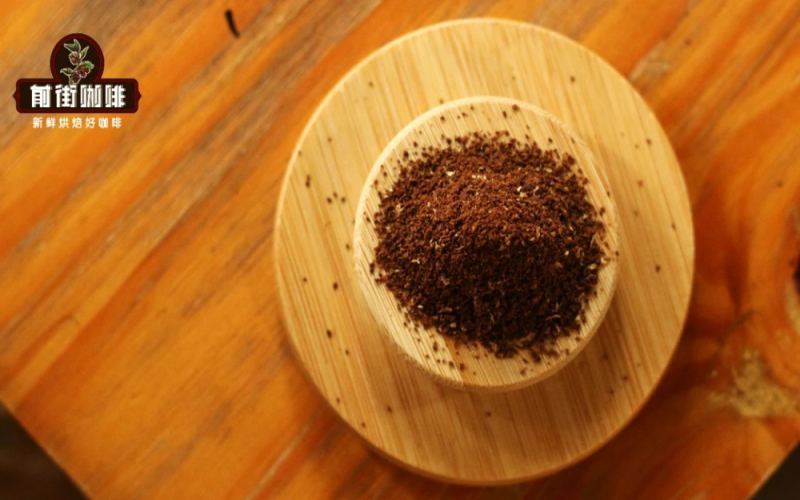
How to determine the grind size for pour-over coffee? Front Street Coffee teaches you to judge the standard of coffee grounds using a sieve and water flow.
The grind size for pour-over coffee is one of the key variables that determines the success or failure of extraction. The coarseness of the grounds not only affects how quickly hot water passes through the coffee bed, but also directly influences the release ratio of acidity, sweetness, and caramelized compounds. Drawing on the hands-on experience of Front Street Coffee, this article explains how grind size affects extraction, the relationship between roast level and carbon dioxide, and offers grind recommendations and water temperature pairings for medium-light and medium-dark single-origin beans, as well as how to use a 0.85mm No. 20 sieve or observe the flow rate to judge whether the grind is appropriate, helping beginners build a reproducible approach to adjustment. [more…]
How Coffee Grind Size Affects Extraction and Flavor: A Comprehensive Analysis from Extraction Yield to Bitterness Control
The coarseness of coffee grounds directly determines the resistance and contact area when hot water passes through the coffee bed, which in turn affects the flavor direction of the final cup. A short extraction time requires finer particles to increase surface area; a longer time requires larger particles to avoid over-extraction. Grind size and extraction time need to form a proportional relationship to balance acidity, sweetness, and bitterness. Light and dark roasts also have different requirements for grind size: light roasts favor slightly finer grinds, while dark roasts favor slightly coarser ones. In addition, coarseness is also a key lever for controlling bitterness: too fine and all the astringent, bitter compounds are released; too coarse and the sweet aromatics remain trapped in the grounds. This article will systematically review how grind size affects extraction yield, flavor, and equipment compatibility, and offer practical directions for adjustment. [more…]
Siphon Coffee Grounds Grind Size and Dosage Explained: Reference Grind Standards for Cold Drip, French Press, and Cold Brew
In coffee brewing, grind size is the key variable that determines the direction of flavor. The same coffee beans, when used in a siphon, cold drip, French press, or cold brew, require different particle coarseness and coffee doses because of their different extraction principles. This article systematically sorts out the coarseness standards and dosage recommendations for siphon coffee grounds, and compares the reference grind size ranges for cold drip, French press, and cold brew, helping you find the flavor balance point among different devices. The article also includes practical recommendations from Front Street Coffee; whether you are a beginner or an advanced enthusiast, you can find reliable parameter references here. [more…]
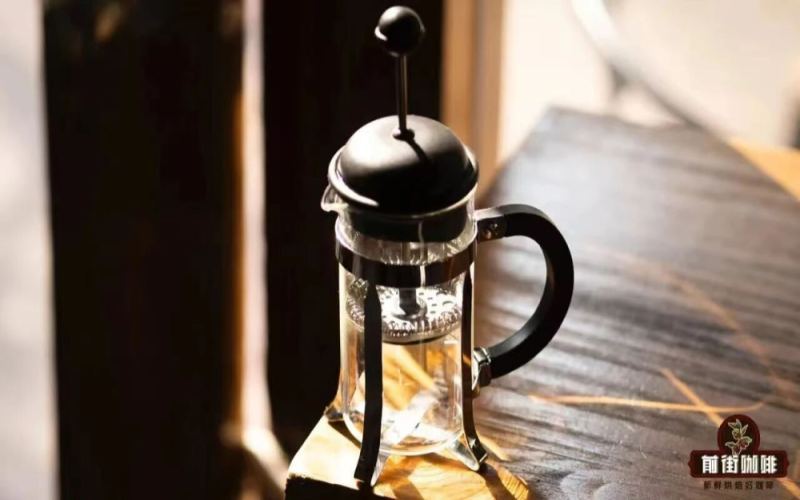
French Press Coffee Brewing Techniques: A Complete Guide to Coffee-to-Water Ratio, Grind Size, and Step-by-Step Method
The French press, also known as a press pot, uses a simple immersion brewing principle to preserve coffee oils and original flavors to the greatest extent, and is hailed as the brewing method closest to cupping. This article explains in detail French press coffee bean selection, grind size requirements, coffee-to-water ratio recommendations, and the complete brewing steps, along with practical operating experience from Front Street Coffee. From bean roast level to water quality selection, from steeping time to pouring timing, it helps coffee lovers easily make a rich, full-bodied cup of French press coffee. [more…]
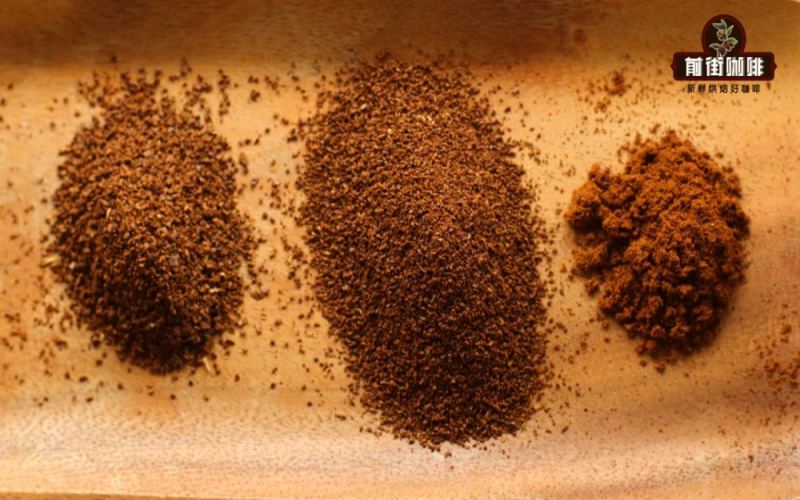
The Complete Guide to Coffee Grind Sizes: From Turkish Extra-Fine to French Press Coarse
The choice of coffee grind size directly determines the success or failure of a cup of coffee. From the ultra-fine powder for Turkish coffee to the coarse particles needed for a French press, every brewing device has its corresponding grind standard. The finer the grind, the higher the extraction rate and the slower the water flow; the coarser the grind, the opposite. There are assembly tolerances between different grinders, so even the same setting may not produce coffee grounds of the same coarseness. This article systematically sorts out eight grind levels from finest to coarsest, matching them one by one with devices such as espresso machines, AeroPress, siphon brewers, pour-over, moka pots, cold brew, and French presses, and combines Front Street Coffee's brewing examples to help coffee lovers find a grind plan that suits them. [more…]
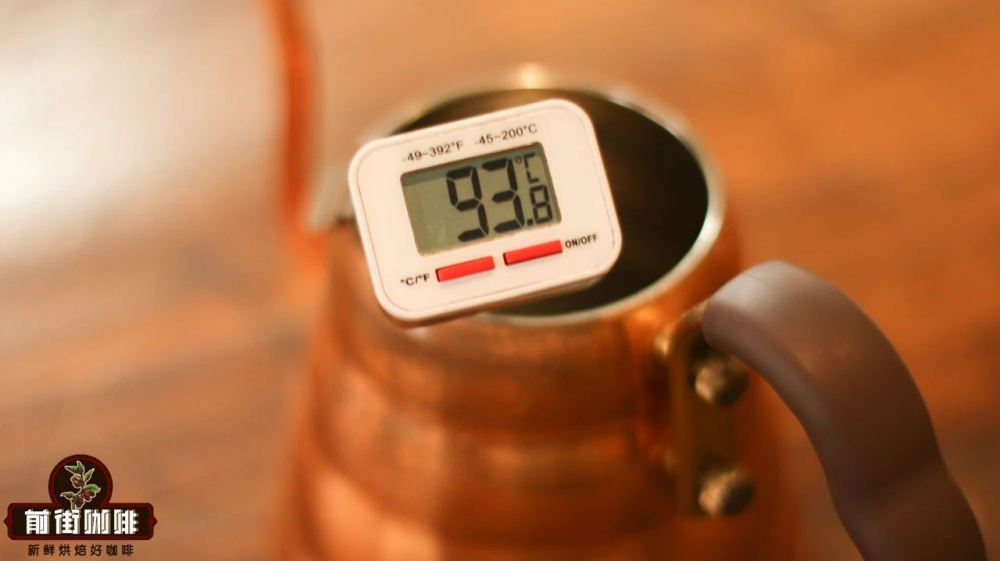
Coffee Ground Size Standards Illustrated | How to Use a Coffee Sieve? Moka Pot and Espresso Bean Grind Size Parameters, Extraction Ratio, and Time Introduction
There are many factors that affect the taste of coffee. During the brewing process, the factors that influence coffee include the coffee-to-water ratio, grind size, water temperature, etc. Among them, grind size can be said to be very important. There is a saying in the industry: "You can buy a cheaper coffee machine, but the grinder must be the best." It has to be said that grinding really has an [more…]
A Detailed Guide to Seven Extraction Methods for Jamaican Blue Mountain Coffee: A Complete Brewing Guide for Front Street Blue Mountain No. 1 from Espresso to Cold Drip
Jamaican Blue Mountain coffee is renowned for its clean, mild character and balanced acidity, sweetness, and bitterness. The Front Street Blue Mountain No. 1 coffee beans produced by FrontStreet Coffee come from Clifton Estate—an old farm with Rainforest Alliance certification. This article will start with basic knowledge such as the origin background, grade standards, and washed processing, and systematically outline seven brewing methods for Blue Mountain No. 1, covering espresso, pour-over, siphon, AeroPress, French press, cold drip, and Japanese iced pour-over, along with the parameters, techniques, and flavor performance of each method, helping coffee lovers fully explore the diverse possibilities of this bean in daily life. [more…]
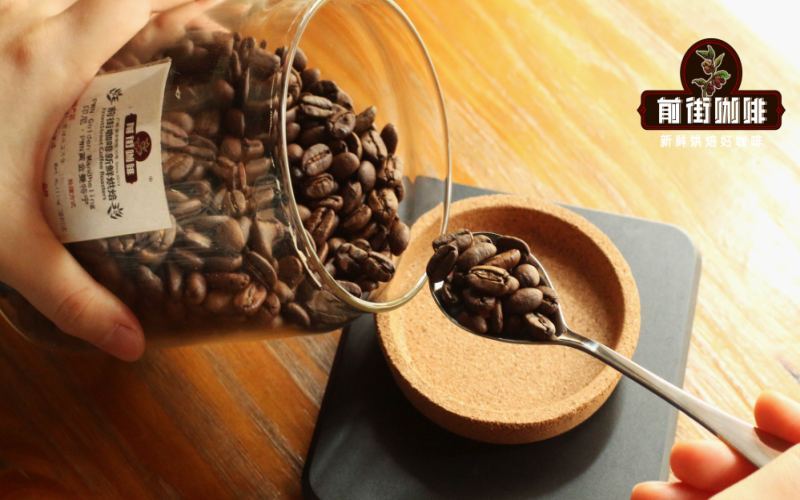
Brewing Front Street Golden Mandheling Coffee with a V60 Dripper: Adjustment Tips for Grind Size, Water Temperature, and Coffee-to-Water Ratio
Many coffee enthusiasts, after purchasing Front Street PWN Golden Mandheling coffee beans, find that when they brew at home according to the parameters on the packaging, the taste differs from that in the store. This is actually closely related to the type of dripper—Front Street's store uses the Kono Meimon dripper, while most enthusiasts have a V60 dripper at home. The two drippers differ significantly in flow rate and extraction method, so the same set of parameters cannot simply be applied to both. This article will explain in detail how to adjust the grind size, coffee-to-water ratio, and brewing water temperature according to the characteristics of the V60 dripper, so that you can brew a rich and full-bodied Golden Mandheling at home. At the same time, the article also introduces the method for measuring the 0.85mm sieve passing rate, as well as Front Street's grind size recommendations for different brewing methods, helping you grasp the extraction variables more precisely. [more…]
Indonesian Coffee Bean Grades | What are the flavor and mouthfeel characteristics of Sumatra Golden Mandheling G1 coffee? What kind of people are suitable for drinking hand-brewed dark-roast Mandheling black coffee?
Front Street Mandheling coffee, as one of the representatives of dark-roasted coffee, is something some people love for a lifetime because of its rich, mellow body, while others keep saying no to it because they find it too bitter. To make Front Street Mandheling coffee taste good, one factor is that the coffee beans themselves are of high quality, and the other is whether the roaster has mastered [more…]
How Does Grind Size Shape Coffee Flavor? A Guide to Dialing In Grind for Pour-Over, French Press, Cold Brew, and Espresso
Whether a cup of coffee is light or bitter is often foreshadowed the moment the beans are ground. The coarseness of the coffee particles directly determines the release rate of soluble flavor compounds—it must fully extract the pleasant aromas and sweet-tart notes while avoiding the emergence of bitter, off-flavors. This article focuses on four common extraction methods—pour-over, French press, cold brew drip, and espresso—explaining the suitable grind range for each, and introduces how to calibrate grind size with a No. 20 standard sieve (0.85mm aperture), so that every bean can find the right brewing coarseness. The article also retains Front Street Coffee's empirical parameters from actual cupping and in-store dialing, for coffee enthusiasts to use as a reference. [more…]
Indonesian Sumatra PWN Golden Mandheling G1 Coffee Beans: A Complete Flavor Analysis from Origin to Medium-Dark Roast Pour-Over Extraction
Mandheling, as a classic representative of dark-roasted coffee, is loved by some for its rich, bold intensity, while others find it too bitter. A delicious cup of Mandheling depends on high-quality green beans, the roaster's attention to detail, and a suitable extraction method. This article focuses on the Front Street Golden Mandheling G1 coffee beans produced by Indonesia's PWN company, introducing their origin background and grading and sorting process, analyzing why they are regarded as a representative of specialty Mandheling, and explaining how the wet-hulling process shapes herbal, spicy, and dark chocolate flavors. At the same time, the article also clearly explains the logic behind choosing the roast level for Golden Mandheling, and includes the pour-over parameters and brewing techniques recommended by Front Street Coffee, helping coffee enthusiasts recreate the classic Mandheling taste at home. [more…]
How to brew medium-dark roast pour-over coffee without bitterness? A flavor analysis of the acidity and bitterness differences between Yirgacheffe and Mandheling
Coffee beans must be roasted, ground, and brewed before they can present a cup of coffee with full aroma and rich flavor. Different roast levels bring entirely different flavor directions: the darker the roast, the higher the body, the lower the acidity, and the more pronounced the bitterness. This article starts with the characteristics of three types of beans—light roast, medium roast, and dark roast—to help you understand the relationship between roast level and flavor, and uses the light-roasted Front Street Yirgacheffe Gedingding and the dark-roasted Front Street Mandheling as examples to explain the approach to matching grind size and water temperature. It also shares four practical tips—low, gentle, slow, and coarse—so that medium-dark roasted coffee can also brew a soft and solid taste. [more…]